
Poppy Playtime: Chapter 5 Gameplay and Story Review
Poppy Playtime: Chapter 5 continues the psychological horror journey inside the abandoned Playtime Co. factory, and this chapter feels more focused than ever. If you have followed the series, you already know its identity: puzzle-driven progression, survival tension, and environmental storytelling that slowly reveals disturbing secrets.
In this gameplay and story review, we will break down how Chapter 5 builds on those foundations. Does it truly evolve the narrative? Are the puzzles smarter? And most importantly, is it worth your time on Android? Let’s explore both the story and the mechanics in a balanced, practical way.
Story Overview and Narrative Direction
Setting Inside Playtime Co.
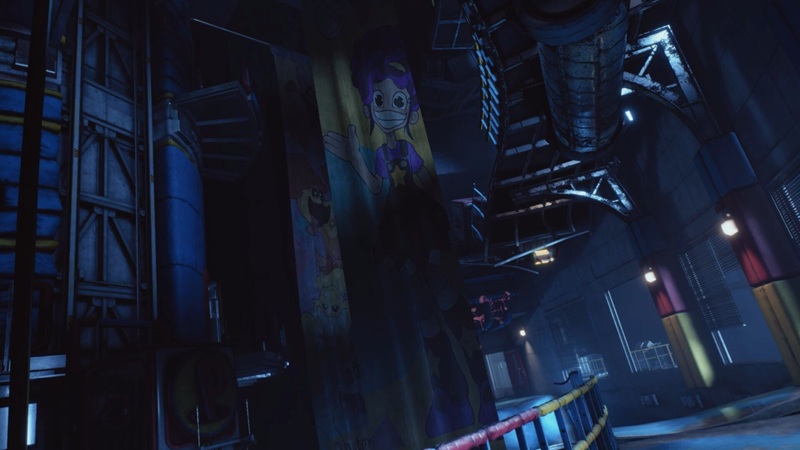
Chapter 5 takes you deeper into Playtime Co. than previous chapters. The areas feel more restricted and unstable—damaged labs, sealed production lines, and forgotten corridors. Instead of simply expanding the map, the developers focus on density. Every room feels intentional.
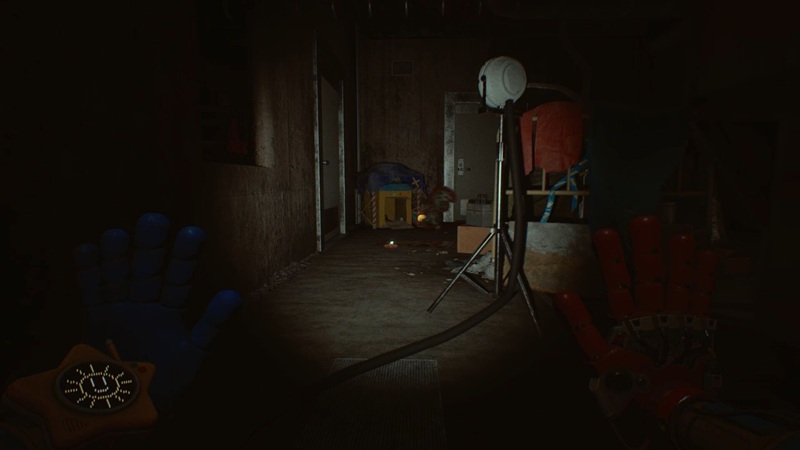
The environment creates isolation. You walk through dim hallways, pass abandoned workstations, and notice small visual clues hinting at past experiments. The factory itself becomes part of the storytelling. Rather than explaining everything through dialogue, the game lets you observe and connect the dots.
This design respects your intelligence as a player. You are not told what to feel—you experience it.
Narrative Progression
The overarching mystery moves forward without rushing. Chapter 5 does not rely on dramatic twists every few minutes. Instead, it builds suspense through unanswered questions.
You uncover fragments of information through:
-
Environmental clues
-
Visual storytelling
-
Carefully placed sequences
-
Subtle narrative cues
This slower progression works well for a horror puzzle game. Suspense grows naturally. You begin to sense that events are building toward something significant. The story feels like a turning point, not filler.
What stands out most is pacing. Earlier chapters sometimes moved quickly between tension spikes. Here, the rhythm feels more controlled. Quiet exploration moments contrast with bursts of pressure, keeping your attention steady.
Character Influence
Chapter 5 emphasizes the presence of unseen forces guiding events. You often feel observed, even when nothing is directly happening. That psychological pressure matters more than sudden threats.
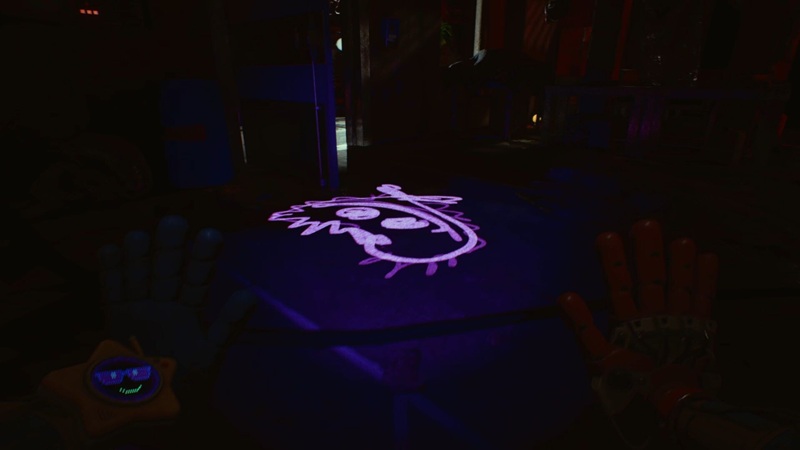
Rather than focusing only on confrontation, the narrative leans into anticipation. This shift gives the story more weight. It feels like consequences from earlier chapters are closing in.
Without revealing spoilers, it’s clear that Chapter 5 strengthens the larger arc of the series. It feels purposeful. It feels planned.
Gameplay Mechanics and Design
Core Gameplay Loop
At its core, Poppy Playtime: Chapter 5 follows the established formula:
-
Explore new areas
-
Solve environmental puzzles
-
Avoid danger
-
Progress deeper into the facility
However, the execution is sharper. Exploration feels less linear. Instead of moving from one obvious puzzle to another, you often need to examine your surroundings carefully.
Puzzles are integrated into the world design. They don’t feel like separate mini-games. Wires, switches, machinery, and interactive elements are part of the environment itself. This makes progression more immersive.
The survival tension is balanced. The game avoids constant chase sequences. Instead, it creates pressure through uncertainty. You move slowly, listen carefully, and think before acting.
GrabPack and Interaction Systems
The GrabPack remains central to gameplay. If you are new, this tool allows you to interact with distant objects, connect electrical circuits, and manipulate mechanisms. It is simple in concept but versatile in use.
In Chapter 5, puzzles demand more layered thinking. You might:
-
Activate power in one room to unlock another
-
Reposition objects to access hidden switches
-
Combine environmental clues to trigger progress
The complexity increases, but not unfairly. The game provides subtle hints through level design. For example, lighting may highlight interactive objects, or environmental placement may guide your attention.
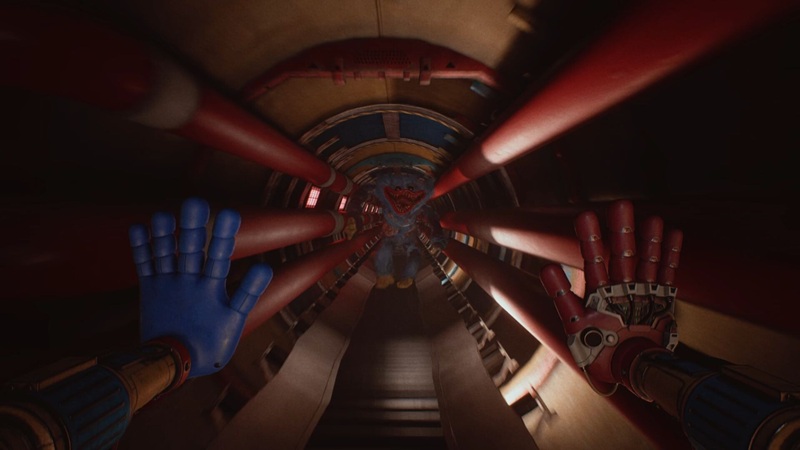
Compared to earlier chapters, puzzle design feels more refined. It rewards observation rather than trial-and-error.
Difficulty and Challenge Balance
One of the strongest aspects of Chapter 5 is its difficulty balance. It does not overwhelm you with constant threats. Instead, it challenges your patience and awareness.
The tension comes from anticipation. You often expect something to happen, which creates mental pressure. That psychological approach is more effective than nonstop action.
For experienced players, puzzles offer satisfying depth. For newcomers, the learning curve remains reasonable. Environmental cues act as quiet guidance without feeling intrusive.
This balance makes the experience accessible while still engaging.
Visual, Sound, and Immersion Quality
Environmental Design
Visually, Chapter 5 leans heavily on contrast. Dark corridors, limited light sources, and detailed factory interiors shape your perception.
Lighting plays a crucial role. A flickering bulb or a dim hallway instantly changes how you approach a space. You move cautiously. You scan corners. You hesitate.
Environmental details—damaged equipment, faded signs, scattered objects—add authenticity. The factory feels abandoned but not empty. It feels like something happened there.
This level of detail enhances immersion without requiring overly complex graphics terminology. You feel the atmosphere rather than analyze it.
Audio and Tension Building
Sound design elevates the experience. Ambient noises, distant mechanical echoes, and subtle environmental sounds keep you alert.
Silence is used strategically. When background audio drops, your attention sharpens. Even a small sound becomes significant.
Instead of loud or constant music, Chapter 5 relies on minimal audio cues to build psychological tension. This approach strengthens immersion and keeps you focused.
Overall Experience on Android
If you are playing on Android, performance matters. A horror puzzle game depends on stable frame rates and responsive controls.
On capable mid-to-high-end devices, Chapter 5 can deliver:
-
Smooth movement
-
Stable visuals
-
Responsive touch interaction
Touch controls translate well when optimized. Movement and camera control need proper sensitivity settings, especially during puzzle interaction. When performance remains consistent, immersion stays intact.
Because the game relies on lighting and enclosed spaces, optimization is important. A stable experience ensures the tension feels intentional rather than technical.

For Android players, the key is balance—strong device performance enhances the psychological impact.
Strengths and Areas for Improvement
Strengths
-
Focused narrative progression
-
Refined puzzle integration
-
Strong environmental storytelling
-
Effective sound design
-
Balanced tension without overuse of chase mechanics
Areas for Improvement
-
Pacing may feel slow for players who prefer action-heavy gameplay
-
Some puzzles require extended observation, which may reduce momentum
These minor limitations do not overshadow the overall experience. Instead, they reflect the game’s deliberate design philosophy.
Final Verdict
Poppy Playtime: Chapter 5 prioritizes atmosphere, narrative growth, and thoughtful puzzle design over spectacle. It builds on the series’ identity rather than reinventing it.
If you enjoy immersive horror experiences, layered environmental puzzles, and gradual psychological tension, this chapter delivers a satisfying continuation. It deepens the mystery inside Playtime Co. while maintaining accessibility and balance.
For Android players seeking a story-driven horror puzzle game, Chapter 5 stands as a confident and meaningful step forward.